Post-Pandemic Office Cleaning Standards: What's Changed and What's Here to Stay
Explore how office cleaning standards have evolved since the pandemic and which enhanced protocols are becoming permanent fixtures in workplace hygiene.
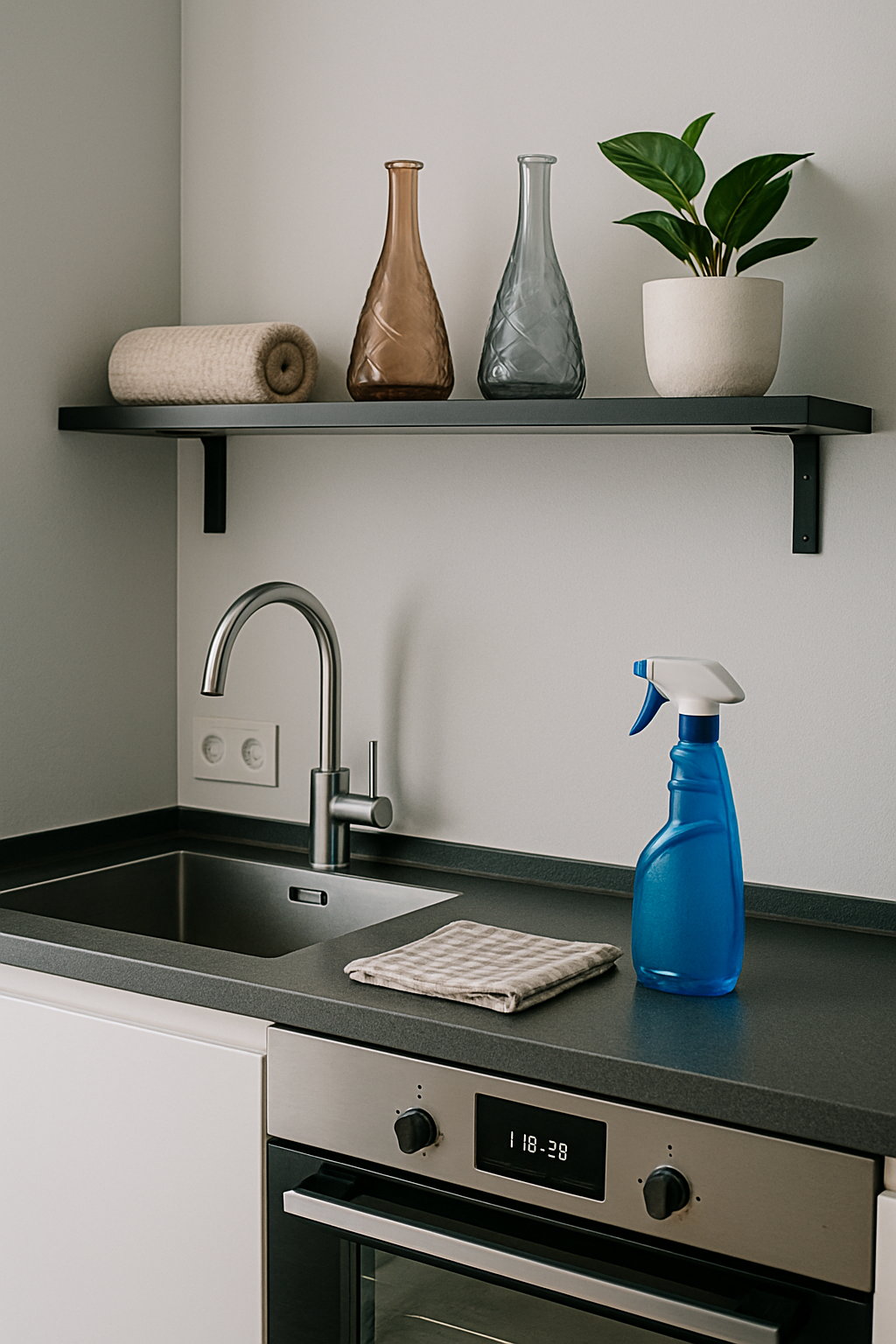
The pandemic fundamentally changed how we think about workplace cleanliness and hygiene. What began as emergency measures have evolved into new standards that prioritize employee health and safety. As we move forward, many of these enhanced protocols are becoming permanent features of modern office environments, reshaping the commercial cleaning industry.
The Pre-Pandemic Baseline
Before 2020, office cleaning focused primarily on aesthetics and basic hygiene. Standard protocols included:
- Basic Daily Cleaning: Emptying bins, vacuuming, and surface wiping
- Weekly Deep Cleaning: Bathroom sanitization and floor mopping
- Periodic Maintenance: Carpet cleaning and window washing
- Limited Disinfection: Mainly in bathrooms and kitchen areas
The Pandemic Response: Emergency Protocols
The pandemic forced rapid adoption of enhanced cleaning measures that went far beyond traditional standards.
Immediate Changes Implemented
- Increased Frequency: Multiple daily cleaning cycles
- Enhanced Disinfection: All surfaces treated with EPA-approved disinfectants
- High-Touch Point Focus: Door handles, light switches, keyboards
- Air Quality Measures: HVAC filter upgrades and air purification
- Personal Protective Equipment: Mandatory PPE for cleaning staff
Current Standards: The New Normal
As we've moved beyond the acute phase of the pandemic, cleaning standards have stabilized into a new normal that balances health protection with practical considerations.
Enhanced Daily Protocols
High-Touch Surface Disinfection
- • Door handles and push plates
- • Light switches and elevator buttons
- • Handrails and stair railings
- • Shared equipment and devices
- • Conference room tables and chairs
- • Reception and common areas
Workspace Sanitization
- • Individual desk surfaces
- • Computer keyboards and mice
- • Telephone handsets
- • Office chairs and armrests
- • Shared printers and copiers
- • Kitchen and break room areas
Permanent Changes in Cleaning Standards
Several pandemic-era protocols have become permanent fixtures in modern office cleaning standards.
1. Electrostatic Disinfection
This technology, rapidly adopted during the pandemic, provides superior coverage and efficiency compared to traditional spray methods.
Electrostatic Disinfection Benefits
- • 360-degree coverage of surfaces
- • Reaches hard-to-access areas
- • Reduces chemical waste and exposure
- • Faster application than manual spraying
- • Consistent coverage and effectiveness
2. Enhanced Air Quality Management
- HEPA Filtration: Upgraded HVAC filters as standard
- UV-C Air Purification: Installation in HVAC systems
- Increased Ventilation: Higher fresh air exchange rates
- Air Quality Monitoring: Real-time tracking of indoor air quality
3. Touchless Technology Integration
The push for touchless solutions has accelerated adoption of automated systems that reduce contamination risks.
- Automatic Dispensers: Soap, sanitizer, and paper towel dispensers
- Motion-Activated Fixtures: Faucets, lights, and doors
- Smart Building Systems: Automated environmental controls
- Digital Check-ins: Replacing physical sign-in sheets
Evolving Employee Expectations
The pandemic has permanently changed employee expectations regarding workplace cleanliness and safety.
New Employee Priorities
- Visible Cleaning: Employees want to see cleaning happening
- Transparency: Clear communication about cleaning protocols
- Personal Responsibility: Individual cleaning supplies at workstations
- Health Assurance: Confidence in workplace safety measures
Technology-Driven Improvements
The pandemic accelerated adoption of cleaning technologies that provide better results and greater efficiency.
Advanced Cleaning Technologies
| Technology | Application | Benefits |
|---|---|---|
| UV-C Sanitization | Air and surface disinfection | Chemical-free, effective against viruses |
| Electrostatic Spraying | Surface disinfection | Superior coverage, efficiency |
| HEPA Filtration | Air purification | 99.97% particle removal |
| IoT Monitoring | Real-time tracking | Data-driven cleaning decisions |
Hybrid Work Impact on Cleaning
The shift to hybrid work models has created new challenges and opportunities for office cleaning protocols.
Adaptive Cleaning Strategies
- Flexible Scheduling: Cleaning intensity based on occupancy levels
- Deep Clean Rotations: Thorough cleaning of unused areas
- Hoteling Protocols: Sanitization between different users
- Data-Driven Decisions: Occupancy sensors inform cleaning schedules
Cost Implications of Enhanced Standards
While enhanced cleaning standards require greater investment, they deliver measurable returns through improved health outcomes and productivity.
Return on Investment
- • Reduced sick days and healthcare costs
- • Improved employee retention and satisfaction
- • Enhanced company reputation and trust
- • Better productivity and performance
- • Reduced liability and insurance costs
Future Trends in Office Cleaning
Looking ahead, several trends are shaping the future of office cleaning standards.
Emerging Developments
- AI-Powered Cleaning: Predictive maintenance and optimization
- Robotic Assistance: Automated cleaning for routine tasks
- Biometric Monitoring: Real-time health and safety tracking
- Sustainable Solutions: Eco-friendly products and methods
Enhanced Cleaning Standards with GCS
GCS Facilities Management has adapted to post-pandemic cleaning standards, implementing enhanced protocols that prioritize health and safety while maintaining efficiency. Our advanced cleaning technologies and flexible service models meet the evolving needs of modern workplaces.
Learn About Our Enhanced Cleaning ProtocolsConclusion
The pandemic fundamentally transformed office cleaning standards, elevating hygiene from a basic service to a critical business function. While some emergency measures have been scaled back, many enhanced protocols have become permanent fixtures in modern workplace management.
Businesses that embrace these new standards aren't just protecting their employees—they're investing in productivity, reputation, and long-term success. The future of office cleaning will continue to evolve, driven by technology, employee expectations, and our growing understanding of the connection between clean environments and human health.